
Why Designers Are Returning to Swagged Lighting as a Design Solve
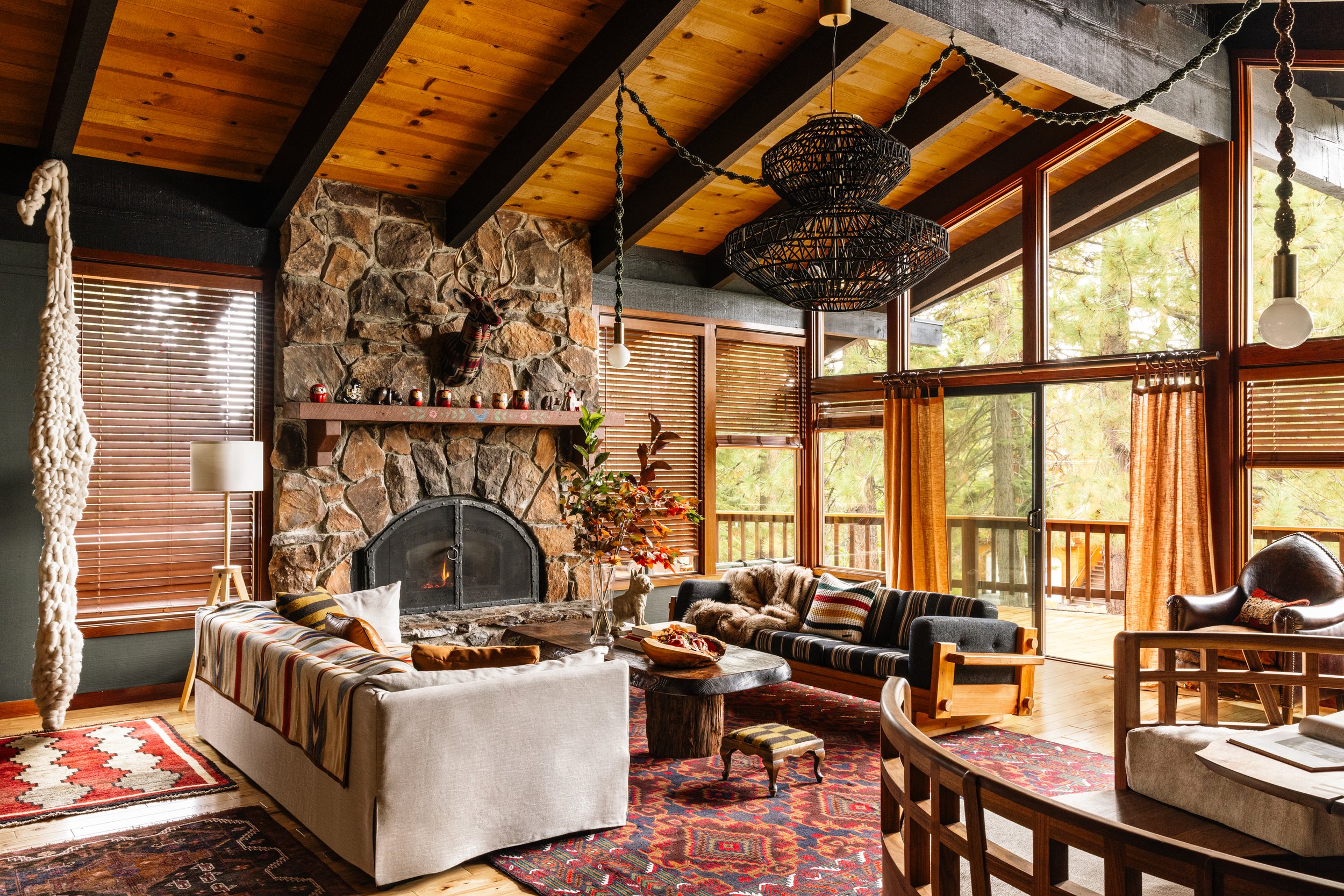
Tini Helix | Noz Nozawa
For years, swagged lighting was viewed as a practical solution. A way to work around an inconvenient junction box, an awkward ceiling condition, or a fixture that simply wasn't located where it needed to be.
Today, designers are approaching it differently.
Rather than concealing the path between power source and fixture, many are choosing to celebrate it. The result is a renewed appreciation for swagged lighting, not as a compromise, but as a powerful design tool that introduces movement, flexibility, and architectural interest to a space.
What is Swagged Lighting?
At its simplest, swagged lighting refers to a fixture that is suspended from one or more points away from the electrical junction box. Rather than dropping directly from the ceiling above, the fixture is intentionally routed across a surface using hooks, suspension points, or decorative cord and rope systems.
This allows designers to place light exactly where it is needed, regardless of where electrical infrastructure exists. While the concept itself is not new, the way it is being applied today is.

Sila Helix | Peruri Design
The Modern Design Challenges Lighting Must Solve
Homes are becoming more architecturally expressive. Ceilings are taller. Rooflines are more dynamic. Structural elements that were once hidden are now celebrated.
These spaces create incredible opportunities, but they also introduce challenges when it comes to lighting.
Designers frequently encounter:
Sloped and vaulted ceilings
Exposed beams
Historic homes with fixed electrical locations
Open concept floor plans
Double-height spaces
Large dining tables positioned away from a junction box
Stairwells and landings requiring precise placement
In many of these situations, a traditional centered chandelier simply doesn't work.
Swagged lighting offers a way to respond to the architecture rather than fight against it.
From Workaround to Design Feature
What has changed most over the last decade is the visibility of suspension systems themselves.
Rather than hiding cords, designers are increasingly selecting lighting that treats suspension as part of the overall composition.
Rope, cable, chain, and cord are no longer secondary details. They become lines that guide the eye through a space, introduce rhythm, and connect lighting to the surrounding architecture.
The path of the suspension becomes just as important as the fixture itself.
This shift mirrors a broader movement in interior design toward honesty in materials and construction. Exposed beams, visible joinery, natural finishes, and handcrafted details all celebrate how something is made. Swagged lighting follows the same philosophy.
Why Designers Love the Flexibility
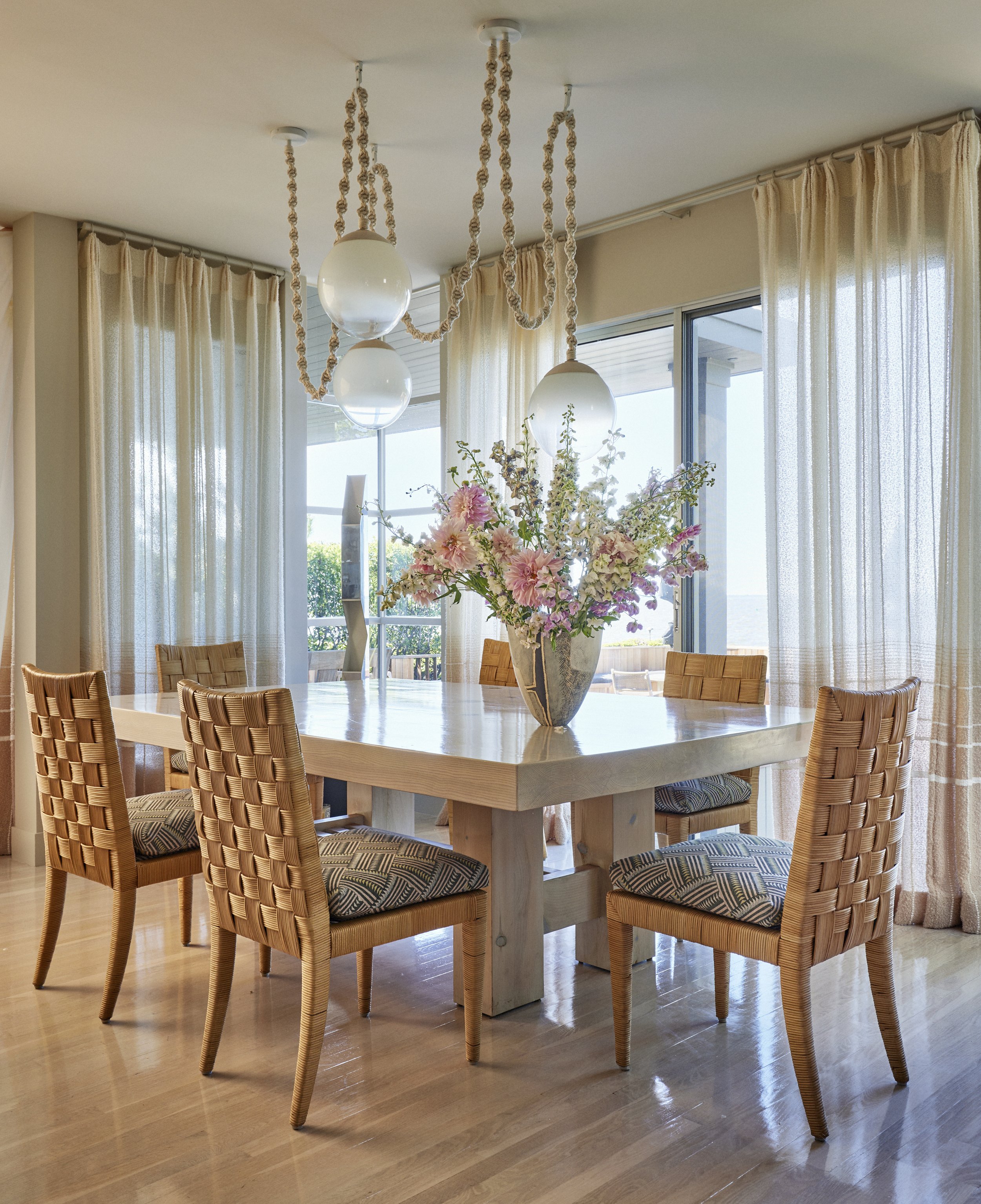
Sila Helix | Wesley Moon
One of the greatest strengths of swagged lighting is its ability to create precision where electrical infrastructure cannot.
A dining table may shift during the design process. A seating area may evolve. A room may reveal structural constraints once construction begins.
Swagged systems allow lighting to adapt.
This flexibility can:
Center a fixture perfectly over a dining table
Align lighting with furniture layouts
Navigate around beams and obstructions
Create multiple suspension points from a single junction box
Scale elegantly across large spaces
Introduce visual movement in rooms with significant volume
For designers working on custom homes and renovations, that adaptability is invaluable.
The Relationship Between Lighting and Architecture
The most compelling swagged lighting installations feel integrated into the architecture itself.
Rather than appearing as a fixture applied to a room, the lighting becomes part of the room's composition.
A rope may trace the slope of a ceiling. Suspension points may echo the rhythm of exposed beams. Multiple drops may help define the volume of a stairwell or atrium.
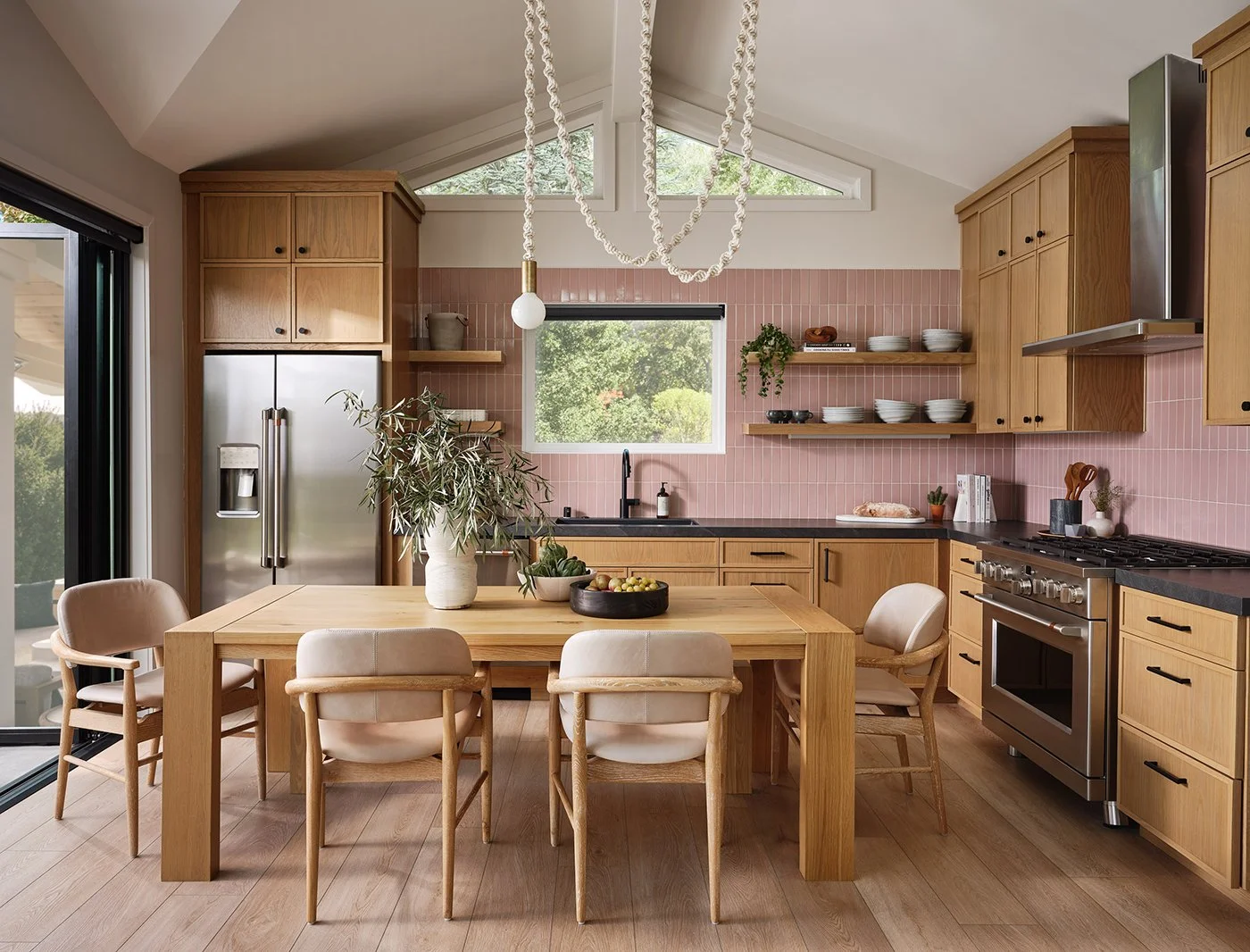
Tini Helix | Susie Novak
These installations create a dialogue between lighting and architecture, allowing the fixture to engage with the space rather than simply occupy it.
This is particularly effective in hospitality-inspired residential design, where lighting is often used to shape an experience rather than merely illuminate a surface.
Where Swagged Lighting Works Best
While nearly any project can benefit from a swagged approach, designers frequently turn to it in:
Wine Country Homes
Large gathering spaces, exposed timber construction, and vaulted ceilings create ideal opportunities for expressive suspension systems.
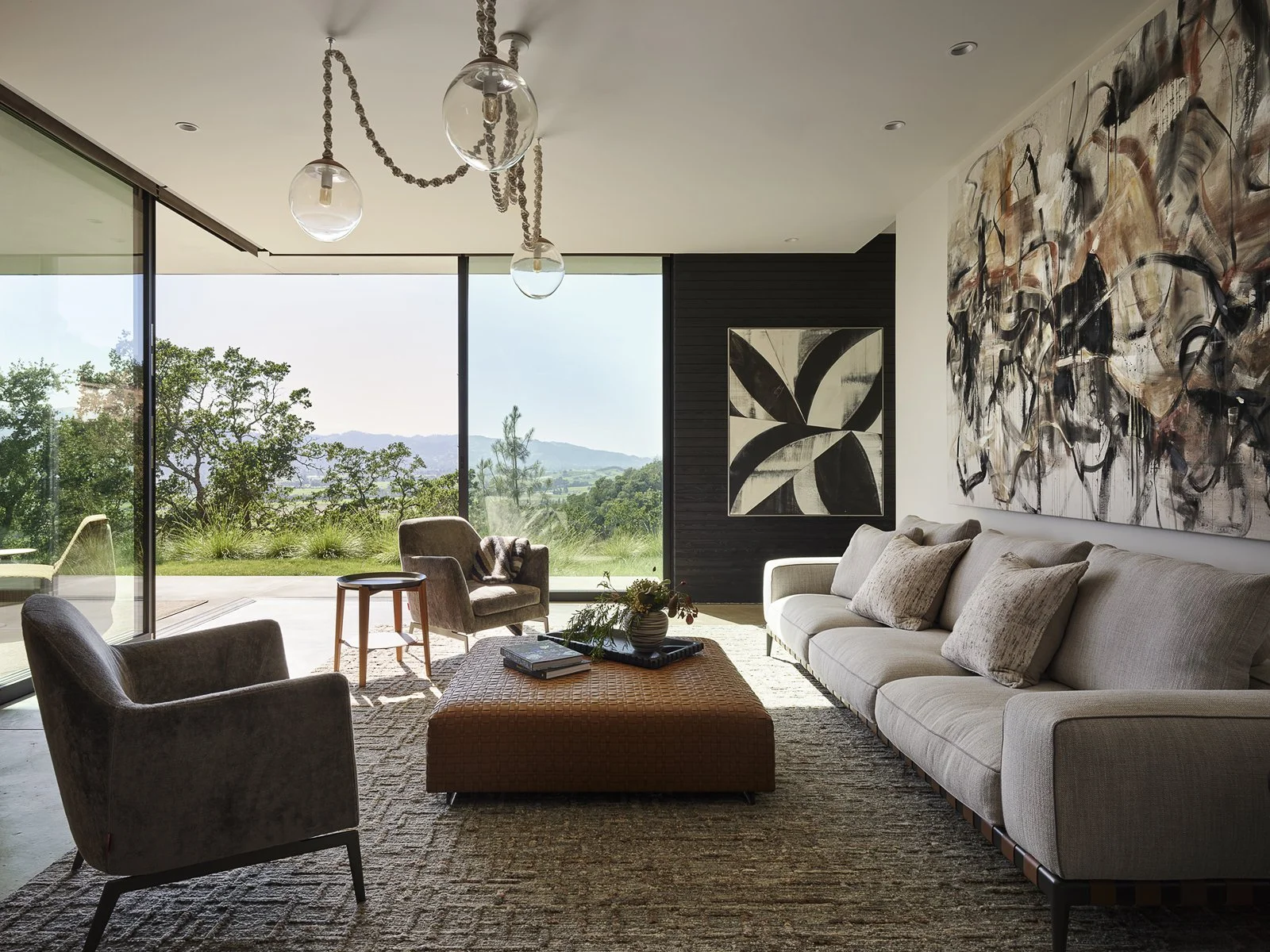
Sila Helix | Shawback Design
Mountain Retreats
Swagged lighting complements natural materials and dramatic architectural forms often found in alpine homes.
Historic Renovations
Existing electrical locations rarely align with contemporary furniture layouts. Swagging allows designers to preserve architectural integrity while achieving modern functionality.
Hospitality Spaces
Restaurants, boutique hotels, wineries, and gathering spaces often require lighting to define experiences rather than simply provide illumination.
Open Concept Living
Swagged fixtures can help establish zones and create visual hierarchy without the need for physical walls.
A More Human Approach to Lighting
At Brightbound, we have always been drawn to lighting systems that respond to the realities of how people live. Not every table sits beneath a perfectly centered junction box. Not every ceiling is flat. Not every project benefits from rigid solutions.
Swagged lighting acknowledges these realities while creating opportunities for something more expressive.
Whether suspended through hand-tied Helix rope, draped across architectural beams, or carefully routed through a series of ceiling hooks, these systems transform a practical challenge into a defining design feature.
As homes continue to embrace character, craftsmanship, and individuality, it is no surprise that designers are looking to swagged lighting once again.
Only now, they are doing it on purpose.
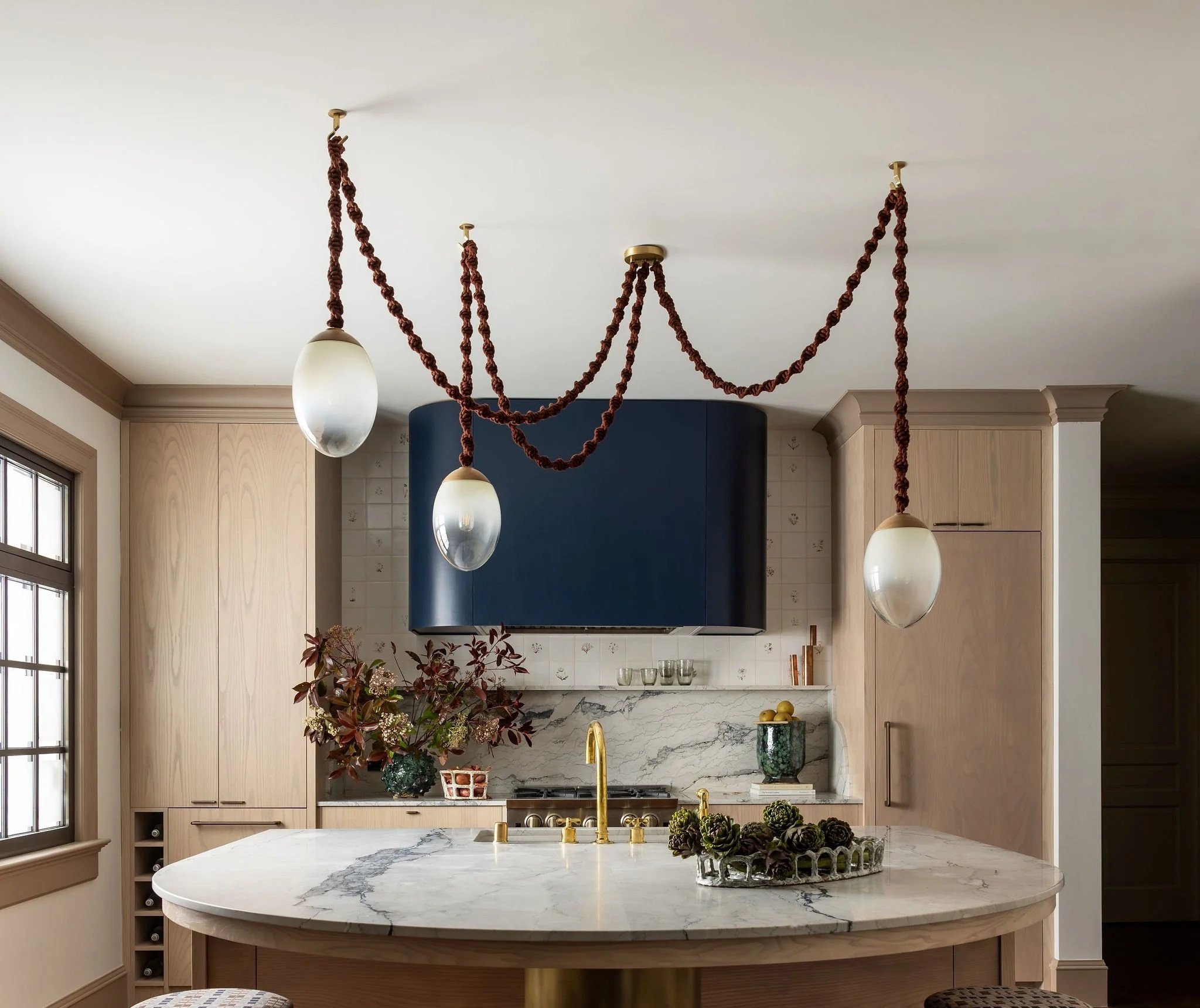
Olive Helix | Katie Monkhouse
